The 12 Types Of Twitter Power Mitre Saw People You Follow On Twitter
The Power of Precision: Understanding the Mitre Saw
Worldwide of woodworking and building and construction, precision is not just a choice but a need. Amongst the tools that guarantee exact cuts and smooth finishes, the mitre saw stands apart as a vital gadget, relied upon by professionals and DIY enthusiasts alike. This article delves into the functionality, types, and benefits of the mitre saw, along with some regularly asked questions to help users take advantage of this powerful tool.
What is a Mitre Saw?
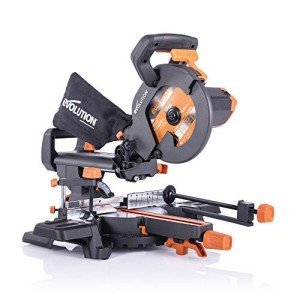
A mitre saw, likewise understood as a chop saw, is a specialized power tool created to make accurate crosscuts and mitre cuts in workpieces. mitre saw slide consists of a circular saw blade mounted on a pivoting arm that allows the user to cut at various angles, generally up to 45 or 50 degrees on either side of a 90-degree perpendicular cut. The mitre saw is particularly helpful for creating precise angles in mouldings, trim, and other woodworking applications where accuracy is critical.
Types of Mitre Saws
Fundamental Mitre Saw
- Description: The simplest type, it enables for basic mitre cuts and can be adjusted to cut at numerous angles.
- Use: Ideal for small projects and fundamental trimming jobs.
Compound Mitre Saw
- Description: This type can make both mitre and bevel cuts. The blade can pivot left and right for mitre cuts and tilt up and down for bevel cuts.
- Usage: Perfect for more intricate jobs, such as crown moulding and door housing.
Dual-Compound Mitre Saw
- Description: Similar to the compound mitre saw, however the blade can tilt in both instructions, enabling more versatile bevel cuts.
- Usage: Suitable for professional carpenters and woodworkers who require a large range of cutting angles.
Sliding Compound Mitre Saw
- Description: Combines the features of a compound mitre saw with a sliding mechanism, making it possible for the blade to move forward and backward for longer cuts.
- Usage: Ideal for cutting wider boards and long workpieces.
How a Mitre Saw Works
Utilizing a mitre saw includes a couple of key steps:
- Set Up the Workpiece: Place the product to be cut on the saw's table, guaranteeing it is flush versus the fence and the stop block if available.
- Adjust the Angle: Use the mitre scale to set the preferred angle. For compound saws, adjust the bevel angle also.
- Secure the Material: Clamp the workpiece to the table to avoid movement during the cut.
- Lower the Blade: Slowly lower the blade onto the product, ensuring it lines up with the mark you've made.
- Make the Cut: Turn on the saw and press the blade through the material in a smooth, regulated motion.
- Raise the Blade: Once the cut is total, raise the blade and shut off the saw.
Advantages of Using a Mitre Saw
- Precision: Mitre saws are engineered to provide extremely precise cuts, important for producing best joints and alignments.
- Adaptability: Compound and sliding compound mitre saws can handle a range of cuts, making them suitable for complex tasks.
- Speed: The powerful motor and accurate control permit quick and effective cutting, saving time on big jobs.
- Security: The fixed nature of the saw and its guards offer a much safer cutting environment compared to portable circular saws.
- Alleviate of Use: With clear scales and ergonomic styles, mitre saws are user-friendly even for beginners.
Choosing the Right Mitre Saw
When choosing a mitre saw, think about the list below factors:
- Project Needs: Determine the kinds of cuts you will require to make. For basic mitre cuts, a basic mitre saw suffices. For more complicated jobs, a compound or sliding compound saw may be essential.
- Blade Size: Common blade sizes are 10 inches and 12 inches. Bigger blades can manage thicker products and provide better visibility.
- Power and Speed: Look for a saw with a motor of a minimum of 15 amps and a blade speed of 3,800 to 5,000 RPM.
- Features: Consider additional features like laser guides, LED lights, and dust collection systems.
- Budget plan: High-end models provide more functions and toughness but come at a higher cost. Identify your budget and find a balance in between expense and performance.
Maintenance and Care
To make sure the durability and performance of a mitre saw, follow these maintenance tips:
- Clean Regularly: Use a brush or compressed air to remove sawdust and debris from the saw after each use.
- Examine the Blade: Inspect the blade for damage or dullness. Replace or hone as needed.
- Lubricate Moving Parts: Apply a light oil to the saw's moving parts to prevent rust and make sure smooth operation.
- Store Properly: Keep the saw in a dry, clean environment to safeguard it from wetness and dust.
FAQs
Q: What is the distinction in between a mitre cut and a bevel cut?
- A: A mitre cut is made at an angle across the width of the product, typically used for creating corners. A bevel cut is made at an angle through the density of the product, typically utilized for producing sloped edges.
Q: Can I utilize a mitre saw for ripping boards?
- A: No, mitre saws are designed for crosscuts and mitre cuts. For ripping boards, a table saw or a circular saw is better.
Q: How do I set the angle on a mitre saw?
- A: Most mitre saws have a mitre scale or dial. Turn the scale to the wanted angle and lock it in place. For compound saws, you can likewise adjust the bevel angle utilizing a separate mechanism.
Q: Can I cut metal with a mitre saw?
- A: While it is possible to cut thin metal with a mitre saw utilizing a specialized blade, it is usually not advised due to the danger of damage and safety issues. For metal cutting, a devoted metal-cutting saw is better suited.
Q: How do I ensure a smooth cut with a mitre saw?
- A: Use a sharp blade, protect the workpiece, and make it in a smooth, regulated motion. A premium blade and a stable hand will help attain a clean, smooth surface.
Q: What security precautions should I take when using a mitre saw?
- A: Always wear safety glasses and hearing defense. Keep your hands away from the blade, and use the saw's guards and security functions. Make sure the workpiece is securely clamped and the saw is on a steady surface area.
The mitre saw is a flexible and important tool for anyone involved in woodworking or building. Its ability to make exact angles and crosscuts makes it indispensable for a vast array of tasks, from easy trim work to detailed moulding setups. By comprehending the various kinds of mitre saws, their functions, and proper maintenance, users can take full advantage of the tool's prospective and make sure safe, efficient operation. Whether you are a professional carpenter or a DIY lover, buying a quality mitre saw can elevate your tasks to brand-new levels of precision and craftsmanship.
Extra Resources
- Producer Manuals: Always refer to the user handbook supplied by the maker for specific instructions and security standards.
- Online Tutorials: Websites and YouTube channels use detailed guides and ideas for utilizing mitre saws successfully.
- Workshops and Classes: Many hardware stores and community centers use woodworking classes that cover using mitre saws.
By following these standards and continuously improving your skills, you can harness the complete power of a mitre saw and bring your woodworking projects to life with precision and finesse.